
Digital PR Is Changing How People Discover and Trust a Brand
A brand is not defined only by what you say about it—it is shaped by what people discover when they search for it. Learn how modern digital PR builds lasting trust.

Written by Harshita Dagha
Podcast Host | Branding & PR Strategist · The Harshita Dagha Show
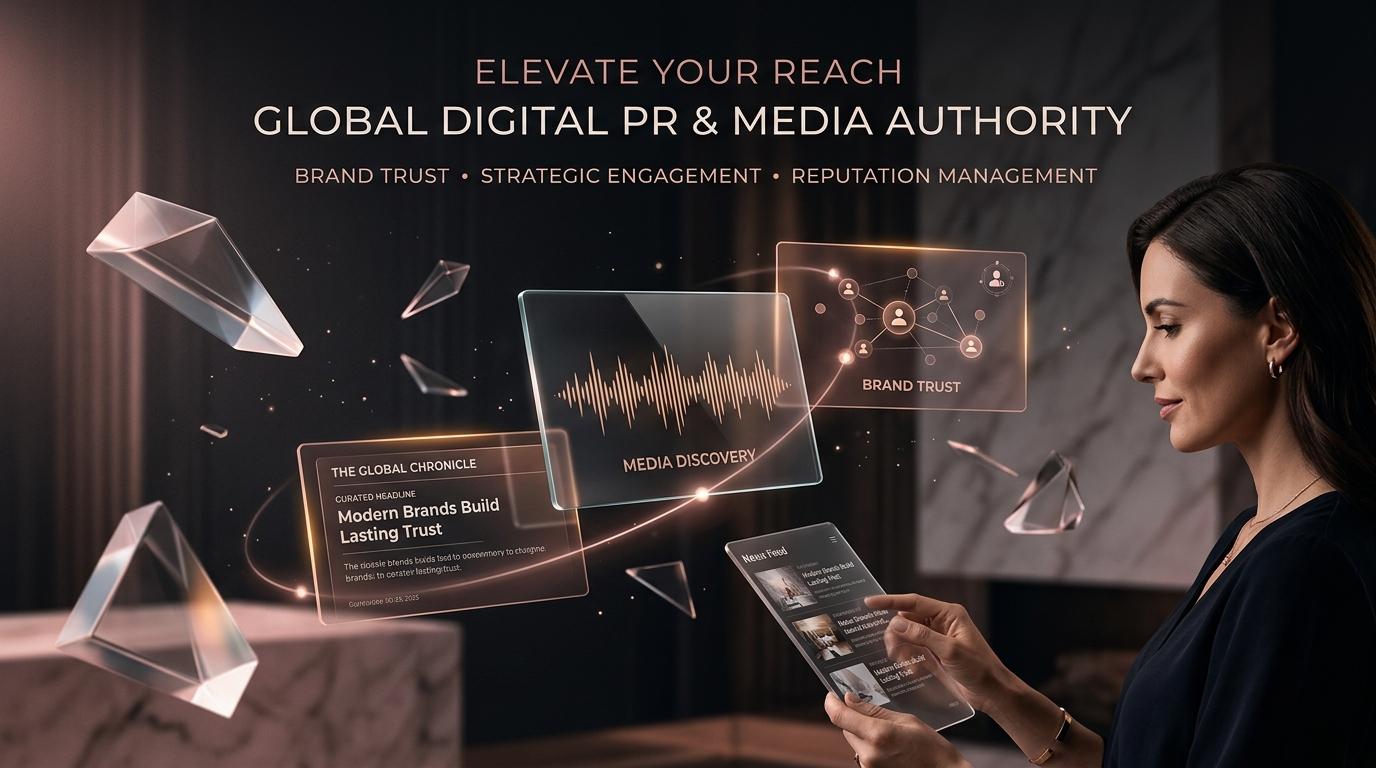
A brand is not defined only by its website, logo or social media content. It is also shaped by what people discover when they search for it, the conversations they encounter and the information available across trusted online platforms. For businesses and professionals, this creates a challenge. You may have valuable expertise, a strong product or years of experience, but if your online presence does not communicate that value clearly, people may struggle to understand what makes you different. This is where digital PR becomes an important part of a broader brand strategy. By creating meaningful opportunities for a business or professional to appear in relevant digital conversations, digital PR can help communicate expertise beyond a company's own marketing channels. Combined with personal branding, it can help create a more recognisable and consistent professional identity.
How Digital PR Influences Brand Perception
People rarely form an opinion about a business from a single interaction. They may visit its website, read an industry article, discover an interview or encounter its leadership team on LinkedIn.
Each interaction contributes to their understanding of the brand.
A thoughtful digital PR strategy focuses on making these interactions relevant and consistent. Rather than pursuing publicity simply to increase the number of mentions, businesses can prioritise stories, interviews and publications that help their intended audience understand their expertise.
For example, a technology company that wants to be recognised for cybersecurity should contribute insights that demonstrate its knowledge of security challenges, emerging risks and practical solutions.
The objective is not to repeat a company slogan across every platform. It is to provide useful information that allows people to understand the company's capabilities.
Personal Branding Is About Owning a Clear Professional Identity
For founders, executives and independent professionals, reputation often extends beyond the organisation they represent.
Their experience, decisions, ideas and communication style can influence how others perceive their expertise.
Personal branding helps bring these elements together into a clear professional identity.
A founder might want to be known for building sustainable businesses. A marketing leader might focus on customer acquisition and brand strategy. A technology executive might share insights about digital transformation.
The strongest positioning usually comes from genuine experience rather than an identity created purely for social media.
A practical personal branding strategy begins by identifying the subjects where you have meaningful knowledge, the audience you want to reach and the perspective you can contribute to relevant discussions.
Why Consistency Matters More Than Constant Promotion
Publishing more content does not automatically make a brand more memorable.
If a professional shares unrelated ideas across different platforms, the audience may find it difficult to understand their main area of expertise.
Consistency helps solve this problem.
Your website, professional profiles, interviews and published articles can address different subjects while reinforcing a coherent identity. This does not require identical wording everywhere. Each channel should serve its own purpose.
A website can explain your work in detail. LinkedIn can communicate your professional perspective. An interview can reveal your experience. An industry publication can introduce your insights to a new audience.
When these touchpoints complement one another, they help create a clearer picture of your expertise.
Turning Expertise Into Stories People Understand
Technical knowledge and professional experience are valuable, but they are not always easy for an audience to interpret.
Digital PR can help translate that expertise into stories that connect with real questions, challenges and industry developments.
Consider a founder who has spent years solving operational problems for businesses. Instead of publishing a generic announcement about the company's success, the founder could explain a common industry challenge, the lessons learned while addressing it and the changes that improved the outcome.
That story provides context. It demonstrates practical knowledge and gives readers something useful to take away.
The same principle applies to personal branding. Sharing meaningful experiences and specific insights makes a professional identity more tangible than simply describing yourself as an expert.
The Role of Digital PR in a Competitive Market
In crowded markets, businesses often offer similar services and make similar claims. Differentiation requires more than saying that your company is experienced, innovative or customer-focused.
Digital PR creates opportunities to demonstrate those qualities through relevant stories, expert contributions and independent editorial coverage.
For businesses, this may mean sharing original research, explaining industry changes or providing useful commentary on customer challenges.
For professionals, it could involve contributing to industry publications, joining expert discussions or participating in interviews that align with their experience.
Not every opportunity will be suitable. Relevance matters more than volume, and editorial coverage should accurately represent the person's or organisation's expertise.
Measuring Progress Beyond Media Mentions
A digital PR campaign should be evaluated against its objectives, not just the number of placements it generates.
These indicators do not all prove that digital PR caused a particular business result. They should be assessed alongside other marketing activities and the campaign's original goals.
A useful measurement process helps teams understand which stories and channels are contributing value and where the strategy needs improvement.
Bringing Digital PR and Personal Branding Together
Digital PR and personal branding serve different purposes, but they can strengthen one another.
Digital PR helps communicate expertise through relevant external platforms. Personal branding gives that expertise a recognisable professional identity.
For a founder, the combination can connect their personal perspective with the company's wider story. For an executive, it can help communicate leadership expertise. For an independent professional, it can make their specialisation easier for relevant audiences to understand.
The starting point is not to pursue every available opportunity. It is to identify the reputation you want to build and select channels that help communicate it credibly.
Executive Conclusion
Strong brands are built through more than repeated claims about their expertise. They develop when people can understand what a business or professional does, find useful information about their work and encounter a consistent message across relevant channels. Digital PR provides opportunities to communicate that expertise beyond owned platforms. Personal branding helps ensure that the expertise is connected to a clear and recognisable identity. The focus should remain on relevance, accuracy and genuine value. Rather than pursuing visibility for its own sake, businesses and professionals can use these approaches to communicate what makes their experience meaningful to the audiences they want to reach.
Frequently Asked Questions (FAQ)
Connect with Harshita Dagha
Available for Brand Strategy Advisory, Executive Podcast Guest Booking, and Generative Engine Optimization (GEO).