
Digital PR and Personal Branding: How Modern Professionals Build Online Visibility
In today’s digital-first business environment, discover how digital PR and personal branding combine to help founders, executives and professionals build authority and discoverability.

Written by Harshita Dagha
Podcast Host | Branding & PR Strategist · The Harshita Dagha Show
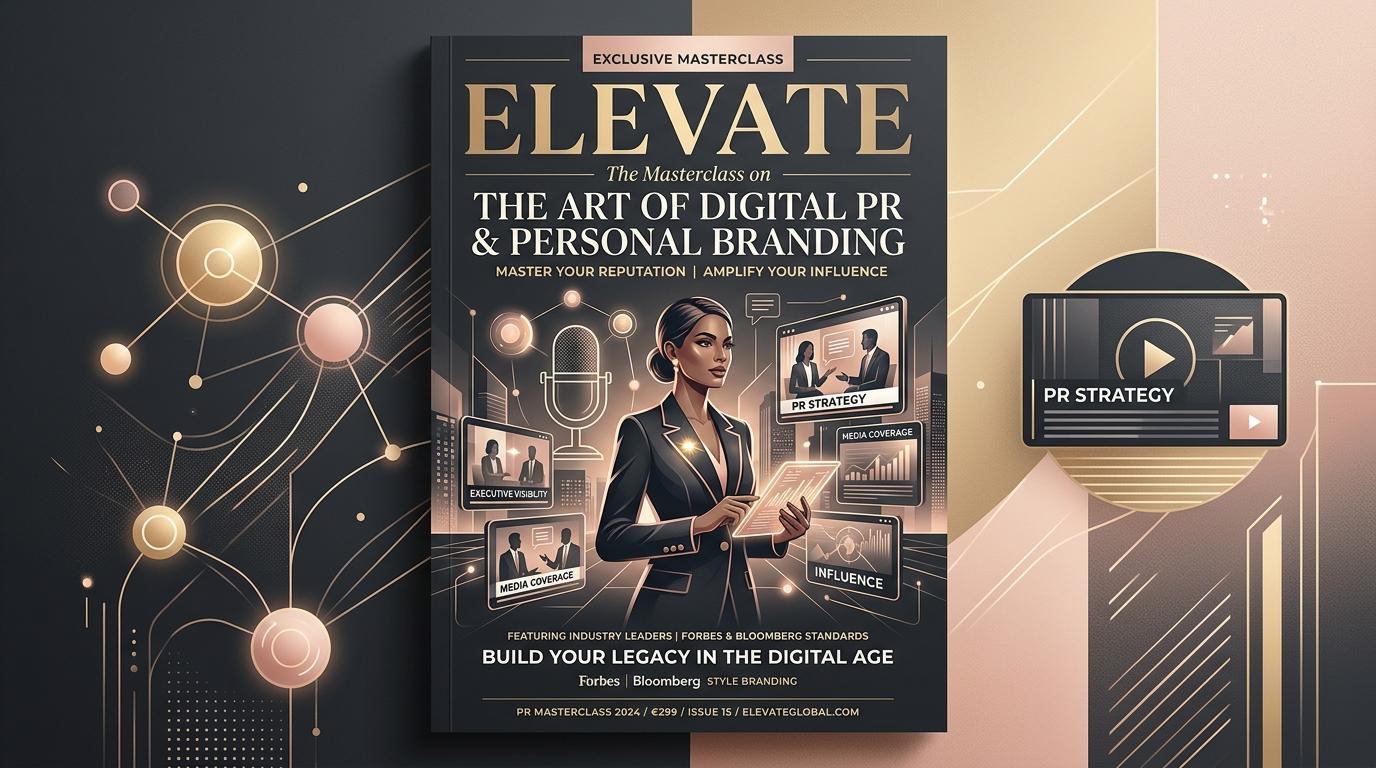
In today’s digital-first business environment, being good at what you do is no longer enough. Founders, executives, entrepreneurs and professionals also need to be visible, credible and easy to discover online. This is where digital PR and personal branding have become important parts of modern marketing. While digital PR focuses on building visibility through online publications, media coverage, interviews, content and third-party platforms, personal branding focuses on how an individual is perceived across digital channels. When used together, they can help professionals build authority, strengthen credibility and create a consistent online presence.
What Is Digital PR?
Digital PR is the process of building online visibility and credibility through digital media, publications, interviews, articles, expert contributions, podcasts and other relevant platforms.
Traditional public relations often focused heavily on newspapers, television and magazines. Digital PR expands that approach into the online ecosystem.
The goal is not simply to generate links or mentions. Effective digital PR should help establish trust, authority and relevance around a brand or individual.
Why Digital PR Matters for Modern Brands
People often research a company or professional before deciding whether to work with them.
A strong digital presence can make this research process more favourable.
For example, when a founder regularly appears in relevant publications, participates in industry discussions and shares valuable insights, those third-party signals can strengthen their professional reputation. This is one reason digital PR has become an important part of modern brand-building.
Digital PR and Personal Branding Work Better Together
Digital PR and personal branding are closely connected, but they serve different purposes.
Digital PR helps get a person or brand noticed by external audiences. Personal branding helps communicate who that person is, what they stand for and what they are known for.
For example, a founder might receive media coverage about their company's growth. But if the founder also consistently talks about entrepreneurship, leadership, innovation or their industry expertise, that media exposure becomes part of a larger personal brand. Over time, this can help position the founder as a recognizable voice in their field.
How Personal Branding Supports Digital PR
A strong personal brand can make PR campaigns more effective because there is already a clear story around the individual. Before approaching media platforms, it is critical to align core narrative pillars.
What Does the Person Stand For? A founder should have a clear point of view rather than trying to comment on every possible topic.
What Expertise Can They Offer? Media opportunities become stronger when a professional can provide useful insights based on real experience.
What Stories Can Be Told? Personal experiences, business challenges, lessons, failures and achievements can all become potential storytelling angles.
Is the Online Presence Consistent? The person's website, LinkedIn profile, social media accounts and media profiles should communicate a reasonably consistent professional identity.
Digital PR Is More Than Press Releases
One common misconception is that digital PR simply means publishing press releases online. A modern strategy can be much broader.
The right approach depends on the brand, audience, industry and business objective.
How Podcasts Can Support Digital PR
Podcasts have become an effective format for building authority because they allow professionals to explain their ideas in greater depth.
A short article may communicate one idea. A long-form podcast conversation can explore a person's career journey, business philosophy, industry experience, leadership approach, challenges and lessons, and future vision.
The conversation can then be repurposed into short videos, social posts, articles and other content formats. This creates multiple opportunities to reinforce the same personal brand across different platforms.
Building a Strong Digital PR Strategy
A practical digital PR strategy should start with clear objectives.
1. Define the Positioning: Determine what the brand or individual should be known for.
2. Identify the Right Audience: Understand where potential customers, partners, investors, media professionals or industry peers spend their time.
3. Develop Strong Story Angles: Instead of promoting a company repeatedly, develop stories that provide genuine value to the audience.
4. Build Third-Party Visibility: Look for relevant publications, podcasts, interviews, industry websites and communities where the individual can contribute meaningfully.
5. Repurpose Successful Content: A single interview can become multiple pieces of content across LinkedIn, Instagram, YouTube, blogs and newsletters.
6. Maintain Consistency: Digital PR works better as an ongoing process rather than a one-time campaign.
Common Mistakes to Avoid in Digital PR
Not every mention is useful. Digital PR should be approached strategically.
The objective should be to build relevant visibility and credibility, not simply increase the number of online mentions.
The Future of Digital PR and Personal Branding
Search behaviour is changing. People increasingly discover businesses and professionals through search engines, social platforms, podcasts, online publications and AI-powered search experiences.
This makes a strong digital footprint increasingly important. Professionals who consistently publish useful ideas, participate in meaningful conversations and earn credible third-party mentions can create a stronger foundation for long-term visibility.
The combination of digital PR and personal branding can therefore become an important part of a modern professional's overall marketing strategy.
Executive Conclusion
Digital visibility is no longer only about advertising or ranking for a few keywords. People want to know who is behind a business, what they know and whether they can be trusted. Digital PR helps create that external visibility, while personal branding helps build a recognizable identity around it. When both are approached strategically, they can help founders, executives and professionals develop stronger authority, reach relevant audiences and create a digital presence that supports long-term growth.
Harshita Dagha | Podcast Host | Branding & PR Strategist
Harshita Dagha is an Indian podcast host, TEDx speaker, branding and PR strategist, GEO expert and social media strategist with 16+ years of experience. She is the founder of Beingblahblah and hosts conversations with entrepreneurs, celebrities, creators, experts and business leaders. Her work sits at the intersection of podcasting, branding, storytelling, digital PR, personal branding and AI-era search visibility.
Frequently Asked Questions (FAQ)
Connect with Harshita Dagha
Available for Brand Strategy Advisory, Executive Podcast Guest Booking, and Generative Engine Optimization (GEO).